By Marianne Lyons Delorey, Ph.D.
“In construction, the only project that goes exactly according to plan is the lunch break.”
– Sandra “Square” Rodriguez
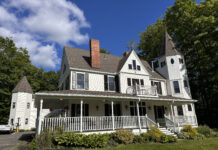
For the past few years, Colony has been working toward a rebuild of one of our sites – this is a big project – relocation of existing residents plus demolition and rebuild. There are a lot of moving parts and (as someone who is far less familiar with this scale of construction) there is a lot going on with people from several different subspecialties. I have been learning a lot, and I am grateful for the experience.
As always, when I think of something I am learning about, I often think about how it relates to aging. If we were building our own aging or retirement, who would you count on for each of these subspecialties? How would they support the end result of a person living their best life?
And so, here are some of the trades I have recently encountered and how each one of them could help us build our dream retirement.
Civil Engineering – A civil engineer tends to be one of the first trades on site. They are truly “in on the ground floor” for any project. Their job is to assess the site and how it can connect with the infrastructure around the project (like utility lines and roads). For retirees, the civil engineer is probably going to help people understand the connections to the current aging infrastructure. Does your town have a senior center? Where is the closest bus stop? How are the local sidewalks?
Architect – one of the best parts of working with an architect is thinking big. It is a chance to imagine what you want without limits, even if you later have to pare them back. What do you imagine for your own retirement? Do you want to travel? Volunteer? Watch your grandchildren? Write down all your dreams.
Engineering – Engineers help implement what the architect imagines. For instance, maybe your building has an open floor plan. Where would you need to put beams in to support the roof? Go back through your wish list. Look carefully at what dreams you can support given your health and your energy level.
Budgeting – This is your accountant. You can imagine a dream building, but do you have the resources for all the things you want? If you have to “value engineer” your list, what will make the cut? What floats to the top of your list as most important in retirement?
Design – The design team is critical to determining what will make a house a home. Similarly, a design team for a retiree could help someone determine what aspects of their plan need softening. You may have a very limited budget for all your wants. What luxuries are essential to making your retirement worth living?
Lawyers – All good construction projects include lawyers. Don’t forget the essentials of good retirement – a will, power of attorney, and health care proxy, plus anything you need for your particular situation.
Project Management – a project manager keeps the ball rolling. In retirement, a project manager could help keep each of the subspecialists talking to each other to make sure all aspects are taken into consideration. Also, when there is a bump in the road (and there will be), the project manager will set the plan rolling again, sometimes with adjustments.
I know this is a silly comparison, but, as Benjamin Franklin noted, “Those who fail to plan, plan to fail.” Don’t forget your retirement, it is no different. Yes, it may change, but take the opportunity to take it seriously and plan it out as if it were as important as a building. Because it is.
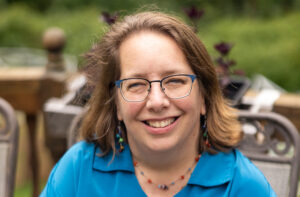
Marianne Lyons Delorey, Ph.D. is the executive director of Colony Retirement Homes. She can be reached at 508-755-0444 or [email protected] and www.colonyretirementhomes.com.
RELATED CONTENT:
If the shoe fits: Understanding Language and the Elderly
Anxiety in America: Understanding Today’s Concerns