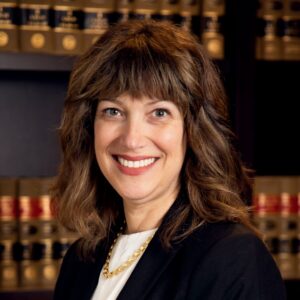
By Jennifer Benson, AARP Massachusetts State Director
As the holiday season brings warmth and generosity, scammers ramp up their efforts to take advantage of unsuspecting consumers. From fake charities to fraudulent shipping alerts, the festive period is a prime time for cybercriminals to strike. According to AARP’s Fraud Watch Network, more than 80% of U.S. consumers have encountered holiday-related scams, making awareness and prevention more critical than ever.
Common holiday scams to watch for
One of the most prevalent scams involves bogus online shopping sites and social media ads that mimic major brands. These deceptive campaigns lure shoppers with irresistible deals, only to deliver nothing, or worse, steal personal information. Another growing threat is the “card declined” scam, where consumers are tricked into re-entering payment details after a fake error message, resulting in double charges or data theft.
Charity scams also surge during the giving season. Fraudsters exploit goodwill by creating fake websites or posing as legitimate organizations through pushy telemarketing. Always verify a charity’s credentials before donating, and avoid giving under pressure.
Gift card scams remain popular, with criminals draining funds from cards before recipients even leave the store. To stay safe, purchase cards kept behind counters or directly from retailers’ websites. Delivery scams are another seasonal hazard, with phishing emails and texts masquerading as shipping notifications from UPS, FedEx, or USPS.
According to an AARP survey, 25% of U.S. adults have had a package stolen from outside their home and 34% have received a fake shipment notification. Porch pirates steal packages from people’s front doors and scammers send fake shipping notifications hoping you’ll call and provide them with money or sensitive information. Ask shippers if packages can be held at their location for pickup or have them delivered in a discreet place out of easy view. If you haven’t placed an order, or a shipping notification urgently requests demands for payment or personal info, ignore it.
Fraud Talk Tuesday
To help you navigate these threats, we invite you to a special edition of our Fraud Talk Tuesday webinar on December 9 at 12 noon: “Holiday Fraud Talk Tuesday: Protecting Yourself from Deed Scams and Illegal Debt Collection.” This 30-minute session will unwrap the legal protections you need to safeguard your property and peace of mind during the most vulnerable time of year.
During the webinar, you’ll learn how criminals impersonate property owners and forge documents to steal real estate, and how to spot red flags before it’s too late. If you miss the event, you can catch a recording on our AARP Massachusetts YouTube Channel.
AARP Fraud Watch Network™ is a free resource for all. AARP can help you learn how to proactively spot scams, get guidance from our fraud specialists if you’ve been targeted, and feel more secure knowing that we advocate at the federal, state, and local levels to protect consumers and enforce the law.
Stay vigilant and proactive this holiday season. Scammers thrive on urgency and distraction, but with awareness and a few smart precautions, you can keep your celebrations joyful and secure. Verify before you click, shop only through trusted sources, and never share personal information under pressure. Remember, protecting yourself isn’t just about avoiding loss; it’s about preserving peace of mind for you and your loved ones. For more tips and expert guidance, join our upcoming Fraud Talk Tuesday webinar or visit the AARP Fraud Watch Network™. Together, we can make this season about cheer not fear.
Jennifer Benson is the State Director for AARP Massachusetts.
RELATED CONTENT:
Respite Care Is Not a Luxury. It’s a Lifeline for Family Caregivers
AARP Helps You Navigate Key Decisions this October
September reset: Staying healthy, happy, and active at every age